Renting heavy equipment saves money, time, and hassle. Learn when heavy equipment rental makes sense, what machines to consider, and how to plan your project.
Need serious power for a short-term job?
Buying equipment for one project is rarely cost-effective — and that’s where heavy equipment rental comes in. Whether you're digging, lifting, breaking, or grading, renting gives you access to the machines you need, only when you need them.
Let’s walk through how to make smart decisions when renting heavy equipment, and what to watch for along the way.
What Qualifies as Heavy Equipment?
"Heavy equipment" typically refers to large machinery used in construction, excavation, site prep, and material handling.
Common rentals include:
- Excavators (for trenching, digging, demolition)
- Skid Steers & Track Loaders (for grading, lifting, clearing)
- Backhoes (multi-use digging and material handling)
- Dozers (for grading and site clearing)
- Wheel Loaders (for moving large volumes of material)
- Telehandlers (for lifting pallets, beams, or roofing materials)
- Attachments (augers, breakers, buckets, forks)
You can explore more on our equipment rental page.
Why Rent Instead of Buy?
1. Lower Upfront Costs
Heavy equipment can cost tens to hundreds of thousands to own. Rental allows you to keep your budget focused on labor and materials — not asset ownership.
2. No Maintenance or Repairs
The rental provider handles routine service, inspections, and repairs — saving you time and avoiding downtime.
3. Access to the Right Machine for Each Job
Instead of forcing one machine to do multiple tasks, you can rent exactly what each phase of your project requires.
4. No Storage or Transport Worries
Don’t have space for a dozer or excavator? No problem. Most rental companies offer delivery and pickup — often same-day.
5. Scale Up Fast
Get more machines when needed — especially helpful for seasonal demand, contract deadlines, or staffing up for a big job.
How to Choose the Right Heavy Equipment for Your Job
Before renting, consider:
- What’s the task? Digging? Grading? Lifting?
- What’s the terrain? Muddy, sloped, or rocky conditions may need tracked machines
- What’s the access like? Measure gates, driveways, or site entry points
- How deep, wide, or high do you need to reach? Match machine specs to performance needs
If you're unsure, we help you size the machine properly — so you don’t overpay or underpower.
Popular Rental Combos That Work Together
Many customers rent multiple machines or machine + attachment packages to maximize productivity. Examples include:
- Excavator + Auger Attachment — for fence post installation or utility work
- Skid Steer + Breaker — for concrete demo or asphalt removal
- Telehandler + Forks — for construction site lifting and roofing material transport
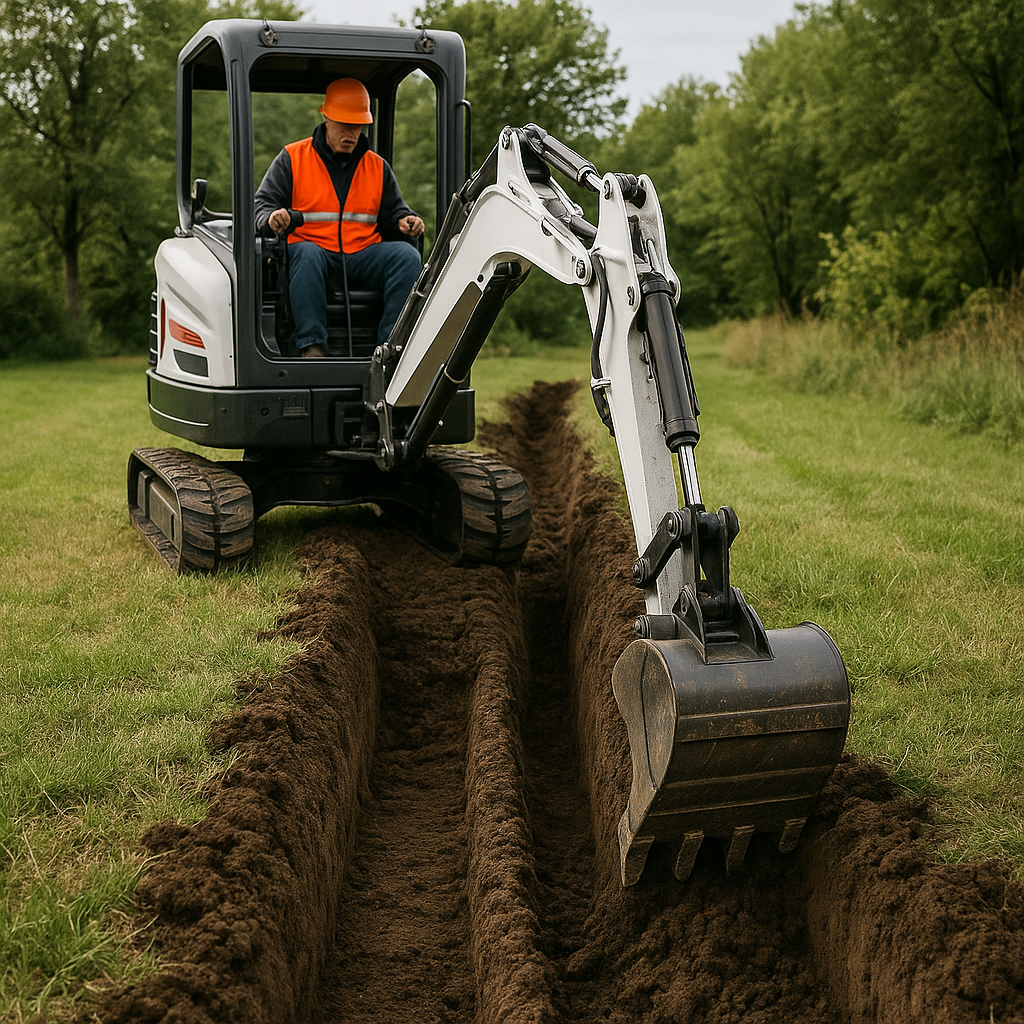
- Mini Excavator + Trenching Bucket — for irrigation, cable runs, or drainage work
See our guide to top excavator attachments to learn more.
Avoid These Common Rental Mistakes
- Not measuring your access width — Some heavy machines won’t fit into tight areas
- Underestimating dig depth or lift height — Always check your job specs
- Forgetting about delivery or pickup logistics — Know when and where you’ll need the equipment
- Not confirming fuel or cleaning fees — Ask what’s included and what’s extra
- Skipping the attachment conversation — The right tool on the wrong machine won’t help much
Ready to Book Your Heavy Equipment Rental?
We offer a full line of heavy equipment for rent — from compact loaders to full-size excavators and everything in between.
View our heavy equipment rental options here or contact our team for help choosing the right setup for your project.